Academics + ABA
Build learning skills with ABA support.

Personalized Autism Support
Explore coordinated, evidence-based programs that help children and teens build communication, learning, emotional regulation, and everyday independence.
Register NowBuild learning skills with ABA support.
ABA, Speech, OT, and education working together.
Build communication, social, self-care, and independence.
Develop confidence, regulation, and peer interaction.
Large spaces for learning, movement, and growth.
Guidance and progress you can see.
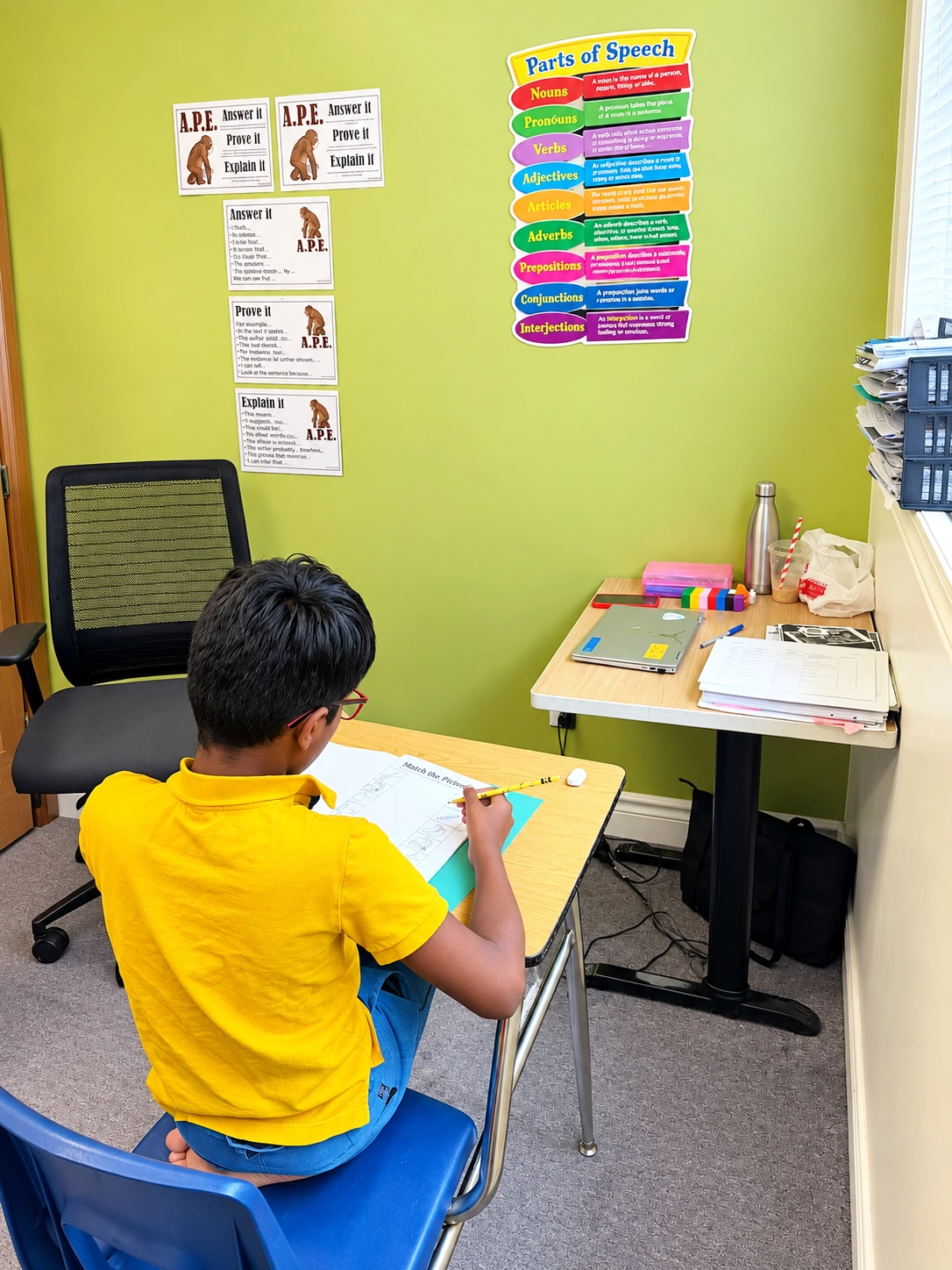
If your child’s teacher has flagged concerns, or homework turns into tears every night this is not a reflection of your parenting, or your child’s potential.
Individualized evaluation led by an RBA — academic levels, attention patterns, and behaviors that interfere with learning.
Built around your child’s academic goals and aligned with IEP objectives where possible.
Discrete trial training, task analysis, and reinforcement applied specifically to academic content.
Frustration and avoidance addressed directly, so your child can actually access instruction.
Practical strategies for homework time that reduce daily academic stress.
Regular, honest reports tied to measurable academic goals.
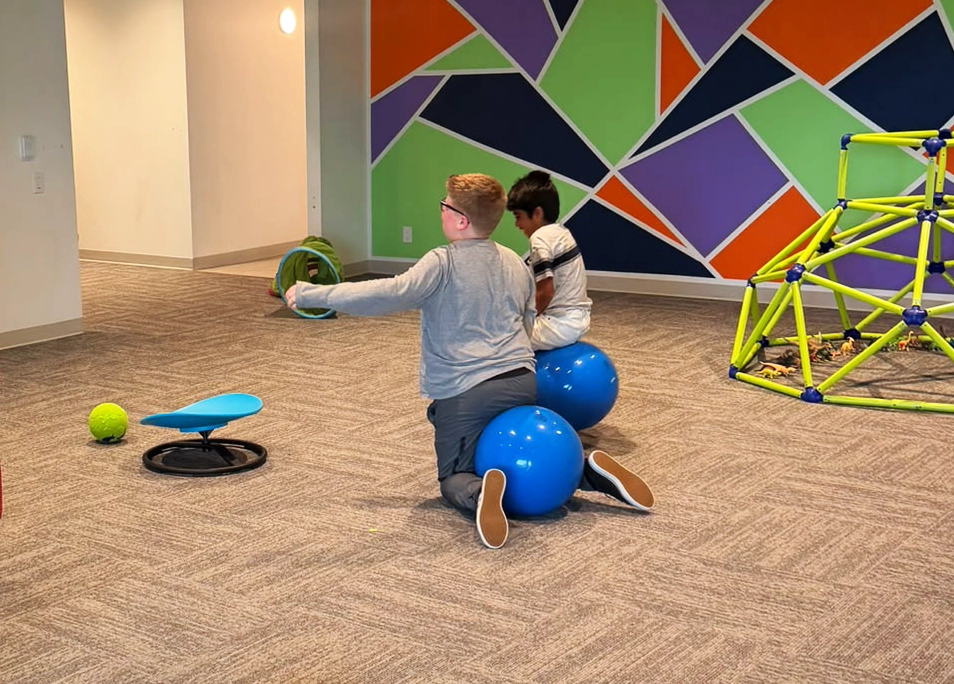
RBAs, speech-language pathologists, occupational therapists, and instructors under a single, unified plan.
Comprehensive evaluation of communication, behavior, academics, motor skills, and daily living to allow for personalized programming.
Consistent rhythm of therapy blocks, academics, social practice, and breaks, reducing anxiety.
Reinforcing communication and independence across every activity and transition, not just isolated sessions.
One connected day instead of fragmented weekly appointments.
Working from day one toward eventual transition into a less intensive setting, when appropriate.
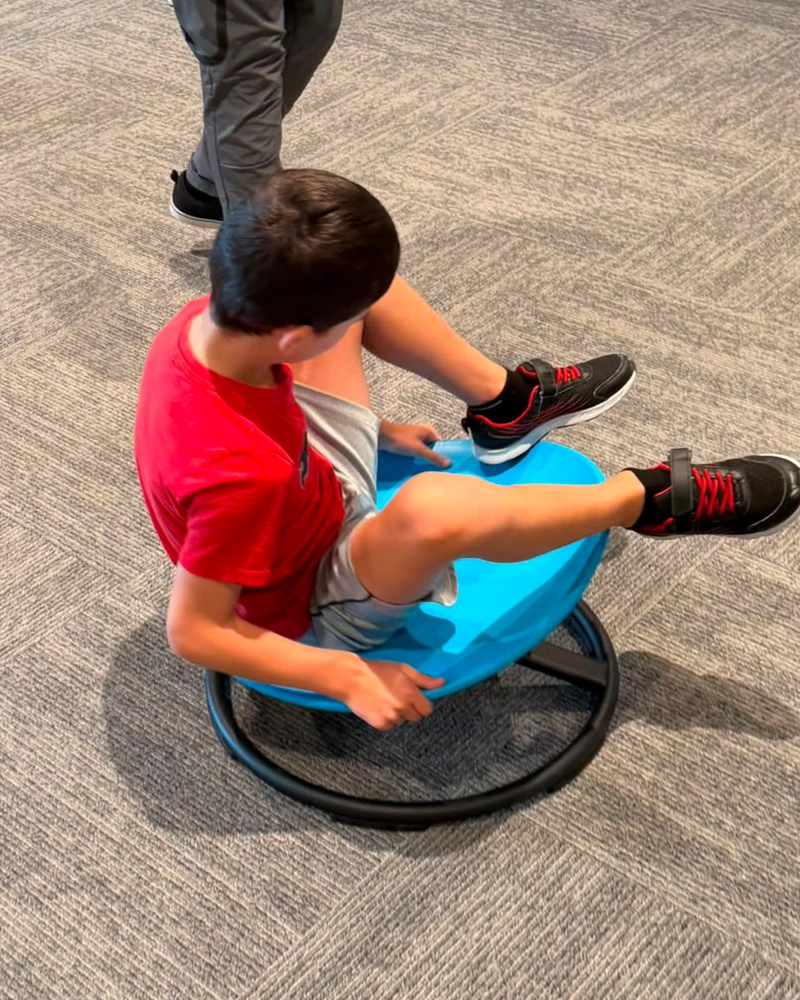
If meltdowns involve hitting or screaming, and you feel like you’re bracing for the next explosion you are not failing, and your child is not “bad.” This is a skill that can be taught.
Evaluation led by a licensed therapist — triggers, patterns, and what happens before, during, and after outbursts.
Built around your child’s specific triggers, from transitions to regulation of their emotions.
Naming emotions, recognizing early warning signs, and using calming strategies as a skill they carry with them.
Reinforcement and proactive strategies that reduce challenging behaviours without shame or power struggles.
What to do — and avoid — in the middle of a meltdown, plus how to prevent escalation.
Addressing the ripple effects across the whole household.
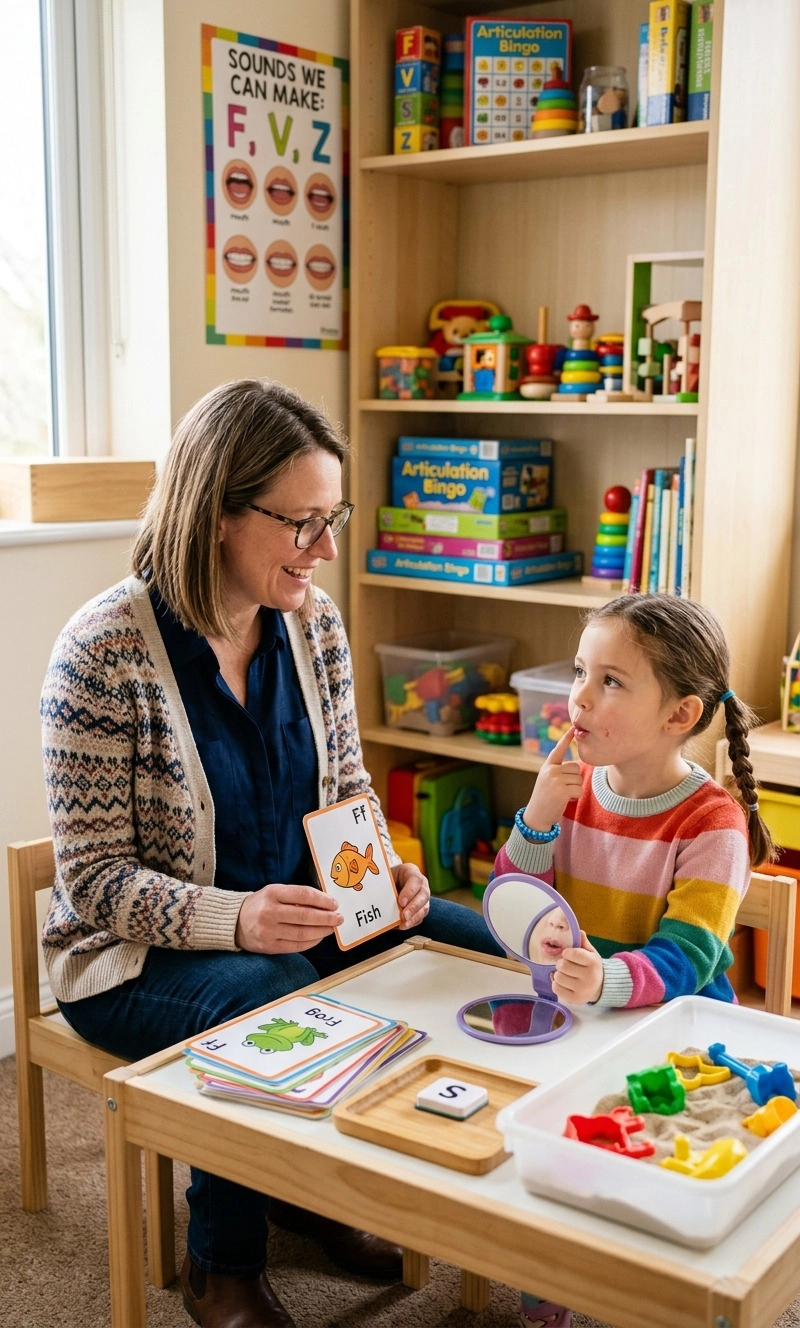
If your child isn’t talking like other kids their age, isn’t combining words, or gets frustrated trying to communicate you haven’t failed as a parent, and this is common, treatable ground.
One-on-one assessment by Speech-Language Pathologist Assistant and a Registered Speech Language Pathologist covering articulation, comprehension, and expressive language.
Goals based on your child’s specific needs — clearer sounds, longer sentences, or reduced stuttering.
Therapy that feels like play to your child, built on clinically proven speech-language techniques underneath.
Simple, practical techniques you can use during mealtime, bath time, and car rides.
Clear updates and measurable milestones — never vague reassurance.
In-clinic, or teletherapy, built around your family’s schedule.

If mealtimes, everyday tasks, big emotions, sensory sensitivities, or messy hands feel like daily battles, you’re not alone and you’re not doing anything wrong.
One-on-one assessment with a licensed occupational therapist, looking at your child’s motor skills, sensory processing, and day-to-day functioning.
Built around your child’s specific profile and the goals that matter most for your family’s daily life.
Swings, climbing walls, crash mats, and other sensory equipment play that’s actually building your child’s regulation and motor skills while it feels like fun.
Hands-on practice with the everyday tasks that trip kids up: handwriting, cutting, buttons, zippers, using utensils, and getting dressed.
Practical tools to help your child recognize and manage overwhelm before it turns into a meltdown.
Real strategies for real moments the grocery store, mealtimes, bedtime, the car ride home from school.
Request a consultation