A real behavioural & emotional assessment
Evaluation led by a licensed therapist — triggers, patterns, and what happens before, during, and after outbursts.

Emotional regulation
Fully covered by
OAP funding
If meltdowns involve hitting or screaming, and you feel like you’re bracing for the next explosion you are not failing, and your child is not “bad.” This is a skill that can be taught.
Supervised by
Registered Behaviour AnalystsApproach
Positive, evidence-basedIncludes
Sibling & family supportSelf-check
This is usually the question parents sit with the longest, often for months before reaching out.
Meltdowns involving hitting, biting, throwing, or destroying things
Emotional reactions far bigger than the situation calls for
Trouble calming down long after the trigger has passed
Aggression toward siblings, parents, or themselves
Extreme reactions to small changes in routine
Difficulty naming or identifying their own emotions
Please know: this is common, and it is not a reflection of your parenting. These behaviours are often a sign of an overwhelmed regulation system — not defiance — and they respond well to the right support.
The program
Evaluation led by a licensed therapist — triggers, patterns, and what happens before, during, and after outbursts.
Built around your child’s specific triggers, from transitions to regulation of their emotions.
Naming emotions, recognizing early warning signs, and using calming strategies as a skill they carry with them.
Reinforcement and proactive strategies that reduce challenging behaviors without shame or power struggles.
What to do — and avoid — in the middle of a meltdown, plus how to prevent escalation.
Addressing the ripple effects across the whole household.
Benefits
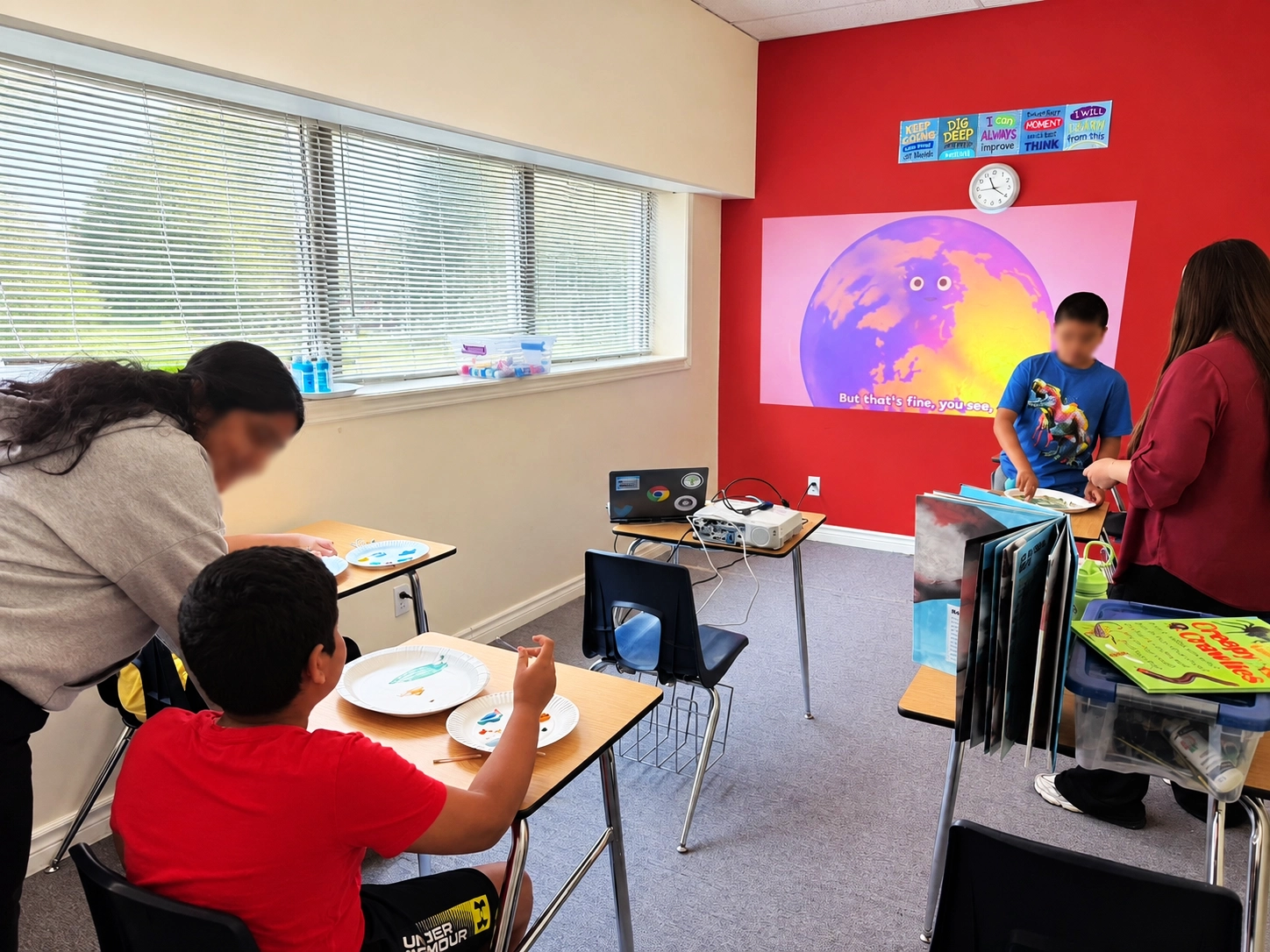
Fewer, shorter, less intense meltdowns
Ability to name emotions instead of acting them out
Stronger coping tools for frustration and change
Reduced aggression toward self or others
Stronger relationships with family and peers
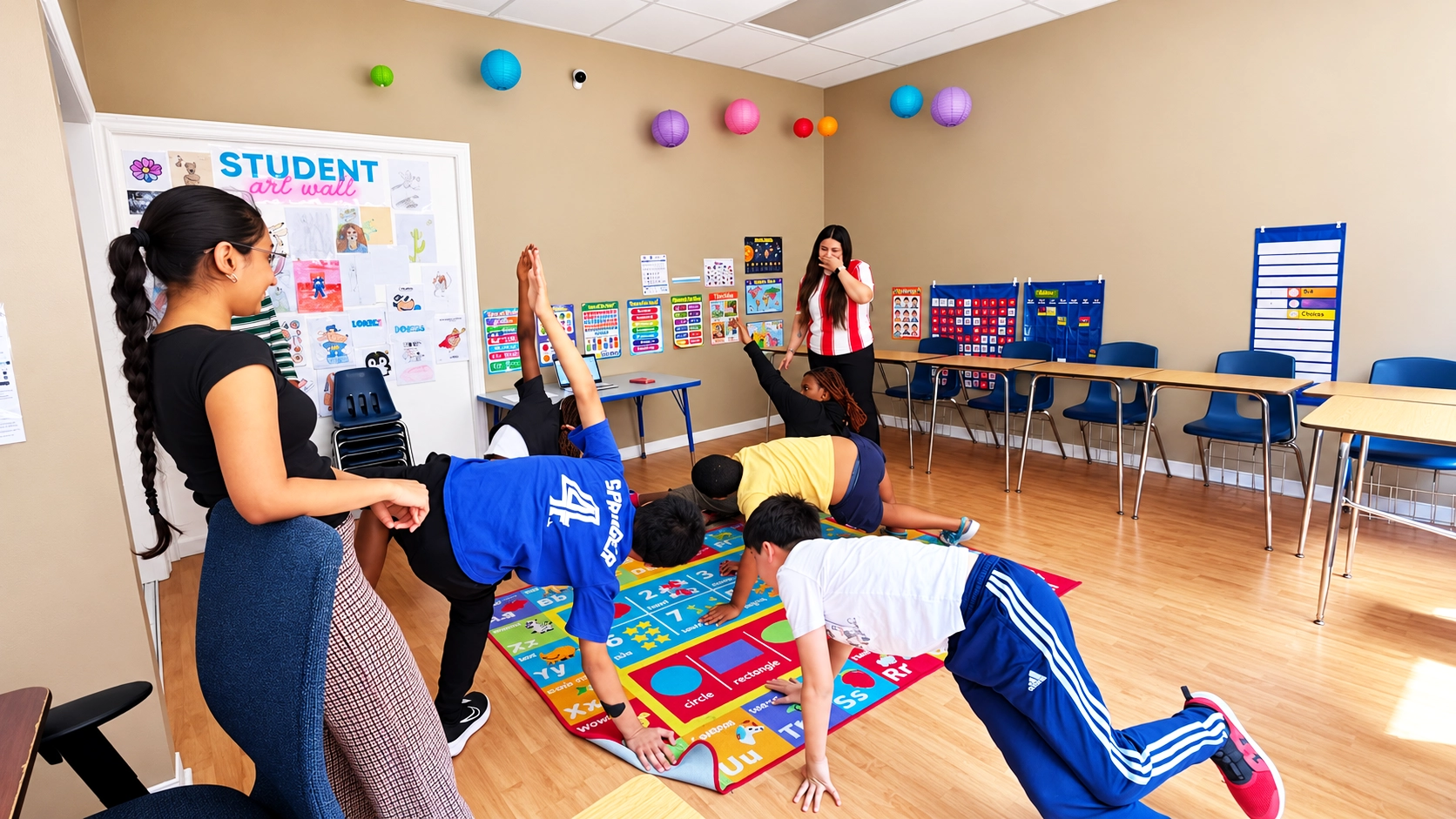
Real strategies for the moment things fall apart
Less walking on eggshells at home
Reduced guilt and shame replaced with a plan
A calmer household and stronger connection
Support for the whole family, not just crisis management
Your progress timeline
Every child moves at their own pace. We focus on practical signs of progress that families can recognize in everyday life.
weeks to meaningful shifts
First sessions
We identify triggers, unmet needs, and what happens before and after difficult moments.
Weeks 6–10
Many families begin to see shorter meltdowns, faster recovery, and more successful use of new strategies.
Following months
Steady, supported practice helps new regulation skills become more consistent across daily routines.
Progress is personal. Timing varies based on your child’s needs, goals, session consistency, and opportunities to practise skills at home.
Fit check
Frequent, intense meltdowns
Aggression toward self, siblings, caregivers
Autism, ADHD, or anxiety affecting regulation
Struggles with transitions or hearing “no”
Behaviour escalating despite typical discipline
Families feeling isolated or exhausted
Why parents trust this
Experienced behavioural therapists and Registered Behaviour Analysts
A judgment-free approach for your child, and for your parenting
Transparent pricing and insurance guidance
No pressure, no unnecessary sessions
Support for the whole family, not just the child in crisis
“We stopped leaving the house because we never knew what would set him off. After a few months in this program, we finally had tools that worked — and our home feels calm again.”
Parent, current client
Questions
Emotional regulation therapy teaches children specific skills to recognize, understand, and manage intense emotions before they escalate into meltdowns or aggressive behavior.
Extreme meltdowns are often a sign that a child’s regulation system is overwhelmed rather than a sign of defiance, and can be linked to autism, ADHD, anxiety, or sensory sensitivities.
Yes. Behavioral therapy identifies the specific triggers behind aggressive behavior and replaces them with safer ways to communicate needs, typically reducing aggression over consistent sessions.
No. While many children with autism benefit, this program also supports children with ADHD, anxiety, and general emotional or behavioral challenges without a specific diagnosis.
This program combines emotional skill-building with structured behavioral strategies specifically targeting outbursts, going beyond talk-based counseling.
Coverage varies by diagnosis, state, and insurance plan. Our team helps verify your specific coverage and explains costs clearly before your child begins.
Reach out, and let’s build a plan that actually works for your family.
Whole-family support included