A real academic & behavioral assessment
Individualized evaluation led by an RBA — academic levels, attention patterns, and behaviors that interfere with learning.

Fully covered by OAP funding
Program 02 Academics
If your child’s teacher has flagged concerns, or homework turns into tears every
night this is not a reflection of your parenting, or your child’s potential.
Ages 3–18 Served by this program
Supervised by
Registered BehaviorFocus
Reading Comprehension, Math, WritingSchool link
Coordinated with School Team & IEP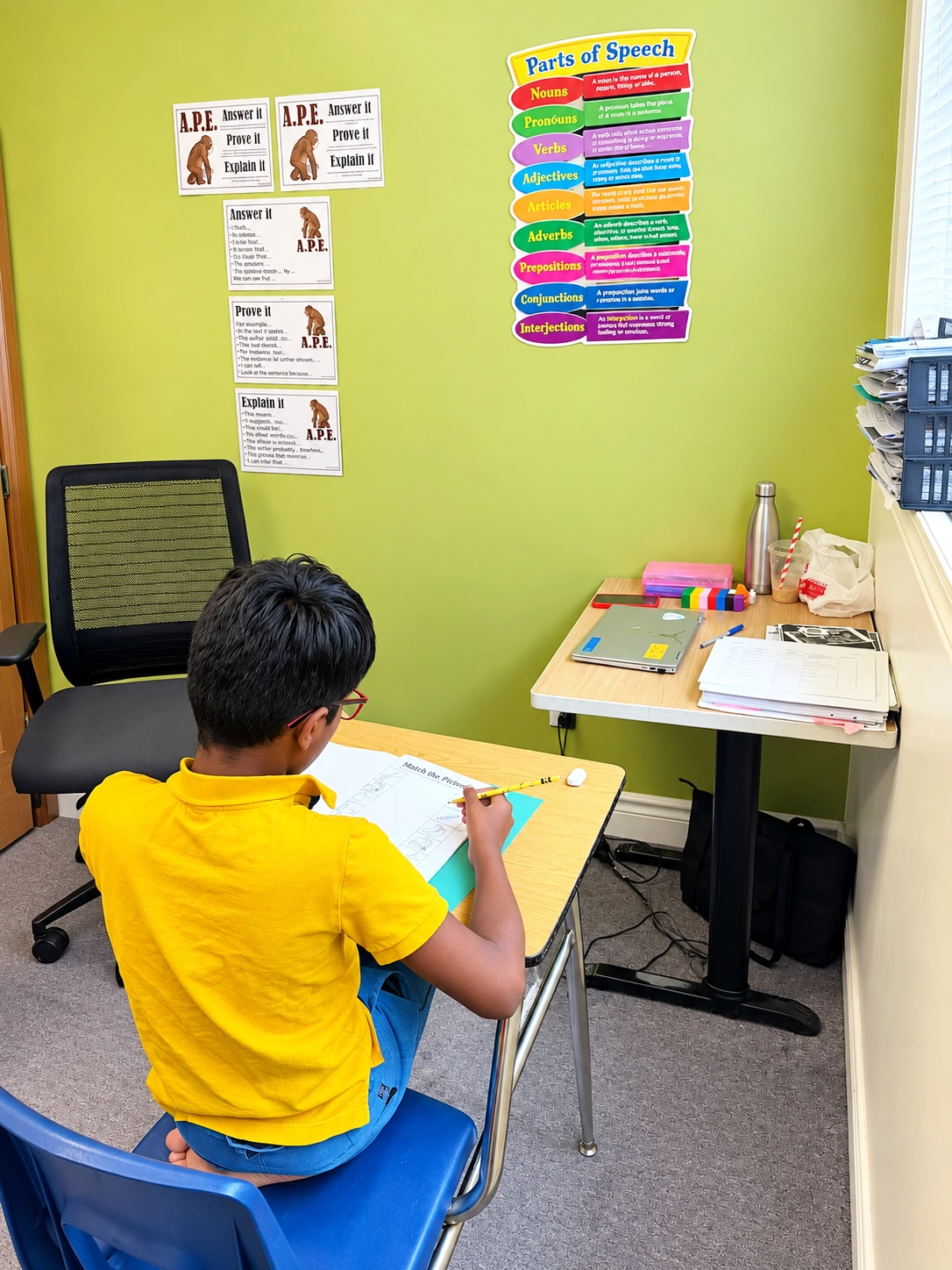
Self-check
“ABA,” “tutoring,” and “special education” often get blurred together here’s a clearer read.
Has an autism diagnosis or learning differences affecting school performance
Struggles to stay focused or follow multi-step instructions
Has an IEP and isn’t meeting academic goals
Understands concepts one-on-one but can’t apply them in class
Shows frustration or avoidance tied to schoolwork
Is behind in reading, math, or writing despite effort at home
If several of these sound familiar, it’s worth a conversation. Academic ABA isn’t about “fixing” your child — it’s about teaching in the way their brain actually learns best.
The program
Individualized evaluation led by an RBA — academic levels, attention patterns, and behaviors that interfere with learning.
Built around your child’s academic goals and aligned with IEP objectives where possible.
Discrete trial training, task analysis, and reinforcement applied specifically to academic content.
Frustration and avoidance addressed directly, so your child can actually access instruction.
Practical strategies for homework time that reduce daily academic stress.
Regular, honest reports tied to measurable academic goals.
Benefits
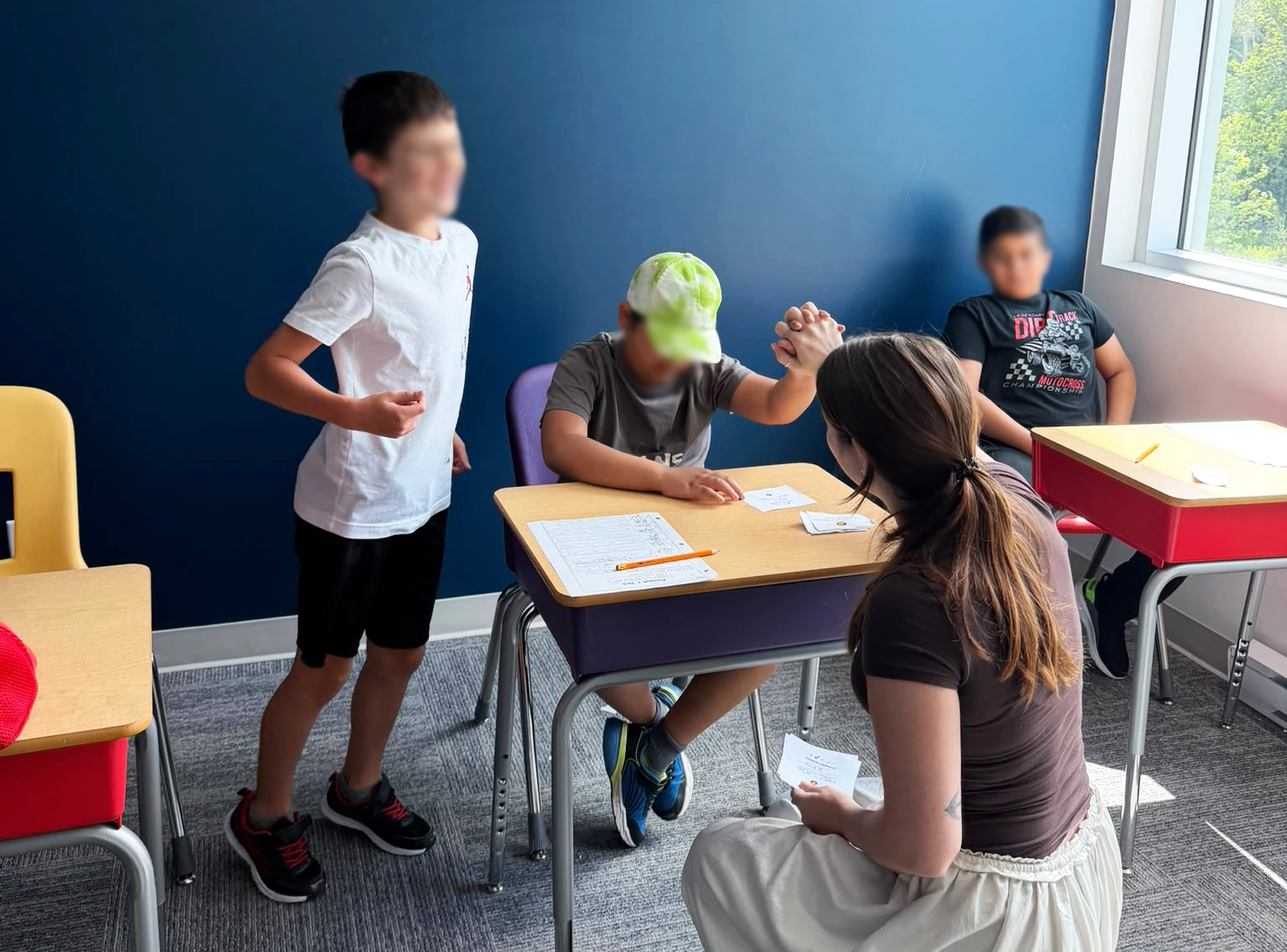
Real gains in reading, math, and writing
Improved focus and independent work skills
Fewer school-related meltdowns
Greater confidence trying challenging tasks
Skills that transfer into the actual classroom
Clear answers instead of confusing labels
A concrete plan tied to measurable goals
Less conflict around homework time
A provider who talks to your child’s school
Confidence your child is taught the way they learn
Timeline
weeks to early shifts
Most families notice early shifts — improved focus, less resistance to schoolwork — within 6 to 10 weeks. Larger academic milestones typically build over a full school term. Your first consultation includes a realistic, individualized timeline.
Fit check
Autism spectrum disorder, behind academically
IEP or 504 plans not meeting goals
Attention & task-completion struggles
One-on-one understanding, group-setting struggle
Reading, math, or writing intervention
Families wanting school-coordinated therapy
Why parents trust this
Supervised by Registered Behaviour Analysts with the College of Psychologists and Behaviour Analysts and Pre-Approved by OAP
Direct coordination with schools and IEP teams, when authorized
Transparent pricing and funding guidance before you commit
No pressure, no unnecessary sessions
Real, measurable progress reporting
“Our daughter’s teacher told us she was two grade levels behind in reading. Within one semester of academic ABA, she was reading independently and asking for books at home.”
Parent, current client
Questions
Questions
Academic ABA therapy applies proven Applied Behavior Analysis teaching methods to specific academic skills — like reading, math, and writing — while addressing the focus and behavioral challenges that make learning harder.
Yes. ABA breaks academic skills into small, teachable steps and uses reinforcement to build both the skill and the child’s confidence using it, which research shows improves academic performance.
No. Tutoring typically reviews existing curriculum content, while academic ABA teaches underlying learning and behavior skills a child needs before academic content can fully “stick.”
Yes. With your authorization, our team can coordinate directly with your child’s school and IEP team so therapy goals and classroom goals reinforce each other.
Coverage varies by state, diagnosis, and plan. Our team helps verify your specific coverage and explains any costs clearly before your child begins.
Academic ABA is commonly used from early elementary age through the teen years, with the approach adjusted to match each child’s developmental level and goals.
You just need to make one phone call. We’ll help you figure out the rest, including how this fits with your child’s IEP.
Insurance & IEP guidance included